

- Medtravellers
- 0 Comments
Scientists Discover Stem Cells That Could Regrow Teeth and Bone
Tooth loss and bone damage are among the most common health concerns affecting millions of people worldwide. While dental implants and bone grafting procedures have helped many patients restore oral function, researchers are now exploring something far more advanced the possibility of naturally regrowing teeth and bone using stem cells.
In a groundbreaking scientific discovery, researchers have identified specific stem cell populations that may help regenerate dental tissues and bone structures. This development could transform the future of regenerative dentistry and create new possibilities for stem cell therapy in India and around the world.
Why This Discovery Is Creating Global Attention

For a long time, scientists have been trying to figure out why teeth don’t heal the way other parts of the body do. If you cut your skin or break a bone, the body can repair itself. But when it comes to teeth, the situation is very different once a permanent tooth is lost or badly damaged, it doesn’t grow back.
This is exactly why this new research is getting so much attention worldwide.
In this study, researchers found specific stem cells that are active during tooth root development and bone formation. What makes them interesting is their ability to form key dental structures like dentin, cementum, and even the supporting bone around teeth.
While it’s still early-stage research, the idea that the body might one day help “rebuild” parts of a tooth naturally feels like a big shift from how dental care works today. That’s why scientists see this as an important step forward in regenerative medicine.
Understanding Stem Cells in Simple Terms
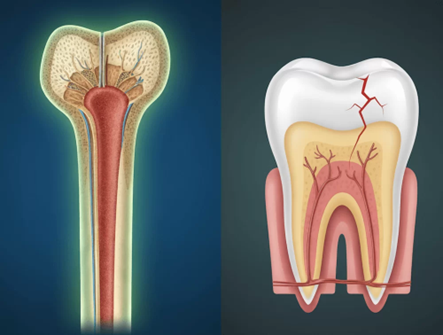
Stem cells are unique cells capable of transforming into different types of specialized cells in the body. They also play an important role in tissue repair and healing.
In dentistry, stem cells are being studied for their potential to regenerate:
- Tooth structures
- Jawbone tissue
- Periodontal ligaments
- Dental pulp
- Bone-supporting tissues
This means future dental treatments may focus less on artificial replacements and more on helping the body heal itself naturally.
Looking for advanced regenerative treatments?
Discover how modern stem cell therapy in India is evolving and explore treatment possibilities with experienced medical specialists who can help you understand the right options for your condition.
The Two Stem Cell Types Researchers Identified
Researchers identified two important stem cell populations that contribute to tooth and bone formation.
CXCL12 Stem Cells and Tooth Root Development
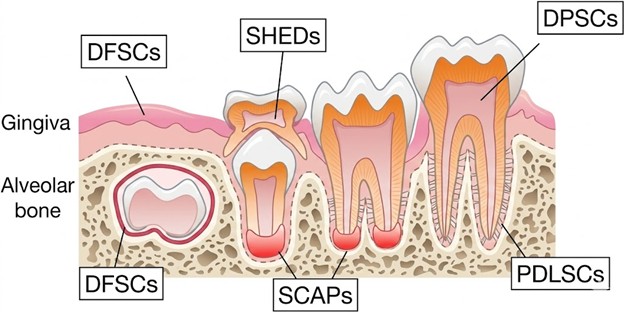
One group of stem cells, known as CXCL12-expressing cells, was found in the apical papilla — a soft tissue located near developing tooth roots.
These cells demonstrated the ability to become:
- Odontoblasts, which help form dentin
- Cementoblasts, which support tooth root surfaces
- Bone-forming cells under regenerative conditions
This discovery is especially important because healthy tooth roots are essential for long-term dental stability.
PTHrP Stem Cells and Bone Formation
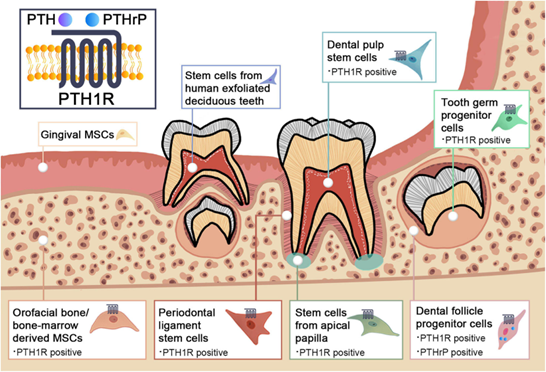
Another important cell group identified in the study was PTHrP-expressing dental follicle cells.
These stem cells were linked to:
- Bone development
- Tooth support structures
- Periodontal ligament formation
- Alveolar bone regeneration
Together, these findings provide new insight into how the body naturally builds and maintains dental tissues.
What This Means for the Future of Dentistry
It may be a game-changer for dentistry in the future if it is discovered that natural teeth can regrow, rather than being replaced with implants.
Potential benefits may include:
More Natural Tooth Restoration
Regenerated teeth may have better functionality than artificial implants.
Better Bone Integration
Regeneration using stem cells could help heal the jaw bone and minimize complications associated with bone loss.
Reduced Need for Invasive Procedures
With future regenarative treatments, the need for extensive surgeries and grafting may be reduced.
Improved Long-Term Oral Health
Natural tissue regeneration will give a greater biological compatibility and longer life span.
Stem Cell Therapy in India: Growing Interest in Regenerative Medicine
India is fast becoming a hub for cutting-edge stem cell research and regenerative medicine. Several hospitals and research centers are actively exploring stem cell-based therapies for orthopedic, neurological, autoimmune, and dental applications.
The rising interest in stem cell therapy in India can be attributed to advanced medical infrastructure, skilled specialists and researchers, increasing investment in regenerative medicine, and treatment options that are more affordable compared to many other countries. The cost of stem cell therapy in India varies depending on the medical condition being treated, the type of stem cells used, and the healthcare facility involved.
Tooth regeneration therapies are still in the research phase and are not yet widely available in the market. However, recent scientific breakthroughs highlight the promising future of regenerative dentistry in India.
Want to learn more about regenerative medicine and dental innovations?
Stay updated with the latest breakthroughs shaping the future of healthcare and stem cell therapy.
Can Stem Cells Replace Dental Implants in the Future?
At present, dental implants remain one of the most effective solutions for missing teeth. However, researchers believe regenerative dentistry may eventually offer biological alternatives that encourage natural tissue growth.
Although clinical application may still take years, this discovery opens the door to treatments that could:
- Restore damaged teeth naturally
- Repair jawbone defects
- Improve gum and ligament healing
- Reduce implant-related complications
Scientists remain optimistic, but further human clinical trials are necessary before these therapies become widely available.
The Future of Regenerative Dentistry Looks Promising
Finding stem cells that can help regenerate teeth and bones is a promising breakthrough in medicine. It takes researchers a step closer to discovering ultimate therapies that could one day enable patients to grow their own dentition rather than using entirely man-made alternatives.
The future of regenerative medicine is promising, and stem cell therapy in India could hold significant potential for making cutting-edge dental advancements more accessible.
Although currently not used in routine clinical practice, these studies provide a glimpse into the future of dentistry where teeth and bone can be restored in a more natural, effective, and biologically sophisticated manner.
FAQ
Can stem cells really regrow teeth?
Stem cells have been discovered in teeth and the process of tooth regeneration is still being investigated and is not a treatment yet.
Is stem cell tooth regeneration available in India?
Not yet. It remains in its early stages but India is making efforts to develop new developments in regenerative medicine and stem cell research.
Could stem cells help repair jawbone damage?
Indeed, preliminary studies indicate that stem cells could aid tissue repair and bone regeneration in the future.
Are dental implants still the best option today?
Yes. For the moment, dental implants are the most reliable and popular teeth replacement procedure.
Why is this discovery important?
It allows scientists to understand better the natural development of teeth and bone, and eventually to develop natural dental treatments.