

Stem Cell Therapy for Alzheimer’s Disease in India
Quick Summary

What it is
A regenerative therapy using mesenchymal, umbilical cord-derived, or bone marrow stem cells to slow cognitive decline, reduce neuroinflammation, and support memory and brain function — not a cure, but a serious science-backed option.
Who it helps
Patients in early to mid-stage Alzheimer's disease; the MedTravellers team has treated patients from over 40 countries, with meaningful improvement seen in roughly 70–80% of cases.
Why India
The same quality of regenerative therapy costs significantly less than in the US, UK, or Europe — a genuine fraction, not a small discount — at GMP-certified facilities.
Cost
Depends on stem cell type and source, number of sessions (typically 2–4), pre-treatment diagnostics, length of stay, and follow-up care — full itemised estimate provided before committing.
At MedTravellers
We manage the full journey — online medical review, treatment plan, visa assistance, airport pickup, accommodation, and remote follow-up at 1, 3, and 6 months after returning home.
Stem Cell Therapy for Alzheimer's Disease in India
Watching a parent forget your name, or a spouse struggle to recall the street they’ve lived on for forty years, is a kind of pain most families aren’t prepared for. Alzheimer’s moves slowly, but it rarely stops. For years, the only response medicine offered was a few drugs that slowed symptoms briefly, then lost their grip.
That picture is starting to shift.
At MedTravellers, we work with families exploring stem cell therapy for Alzheimer’s disease in India as a serious, science-backed option, not a last-ditch gamble. Our team has treated patients from over 40 countries. This page walks you through how the therapy works, what we do, and what you can realistically expect.
How Stem Cell Therapy Works for Alzheimer's Disease
Alzheimer’s disease is driven by the gradual loss of neurons. Abnormal beta-amyloid proteins form plaques between nerve cells, while tau tangles develop inside them. This disrupts neural communication, triggers chronic inflammation, and damages the regions controlling memory, reasoning, and behavior. Conventional Alzheimer’s treatment mainly manages symptoms and does not address the underlying damage.
Stem cell therapy targets the root cause. Once introduced into the body, mesenchymal stem cells release growth factors and cytokines that reduce brain inflammation, protect surviving neurons, and support repair of damaged tissue. They also promote the formation of new blood vessels, improving the overall brain environment. While regenerative therapy for Alzheimer’s disease is not a cure, clinical observations show it can slow cognitive decline, stabilize brain function, and improve quality of life in eligible patients.
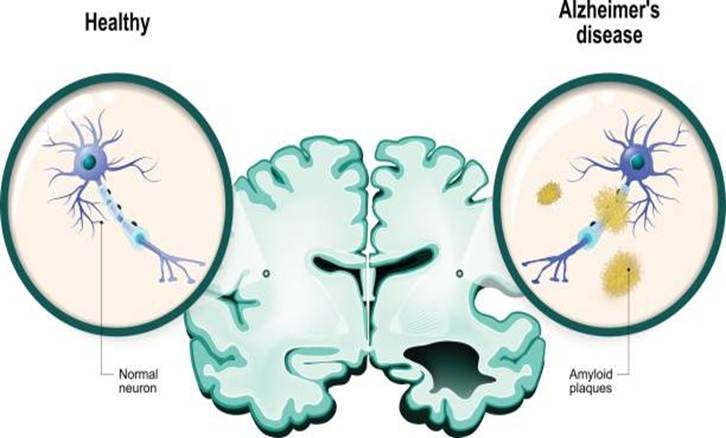
Our Approach to Stem Cell Therapy for Alzheimer's Disease in India at MedTravellers
Every family that reaches out is in a different place. Some are newly diagnosed. Others have been living with Alzheimer’s for years and just want their loved one to recognize grandchildren again. So we don’t do cookie-cutter protocols.
Here’s how we work:
Free consultation with review of medical reports, MRI scans, and cognitive assessments
Evaluation by specialists to confirm suitability for therapy
Personalized treatment plan with cell type, dosage, and session count clearly laid out
Treatment at a GMP-compliant facility under strict safety protocols
Aftercare that continues long after the patient flies home
Honesty is part of the process, too. If a patient isn’t likely to benefit meaningfully, the team says so upfront. Better to hear it before boarding a plane than after.
Ready for a plan built around your specific case? Connect with an expert to receive a personalized roadmap.
Not all stem cells are created equal, so which one is used for Alzheimer’s? Let’s discuss the main ty
Types of Stem Cell Therapy Used for Alzheimer's Disease
Stem cells do not all behave the same way, and the choice matters. For Alzheimer’s, we mainly work with three sources:
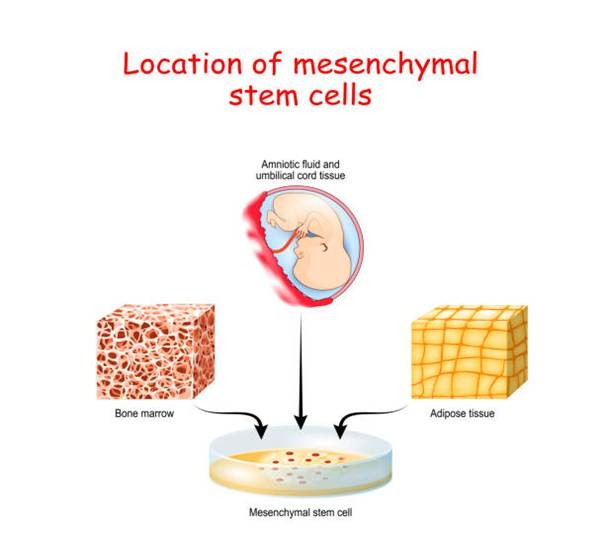
Mesenchymal Stem Cells (MSCs):
The workhorses of regenerative medicine. Known for their anti-inflammatory action, MSCs have been studied extensively for neurodegenerative conditions. More on our Mesenchymal Stem Cell Therapy protocols.
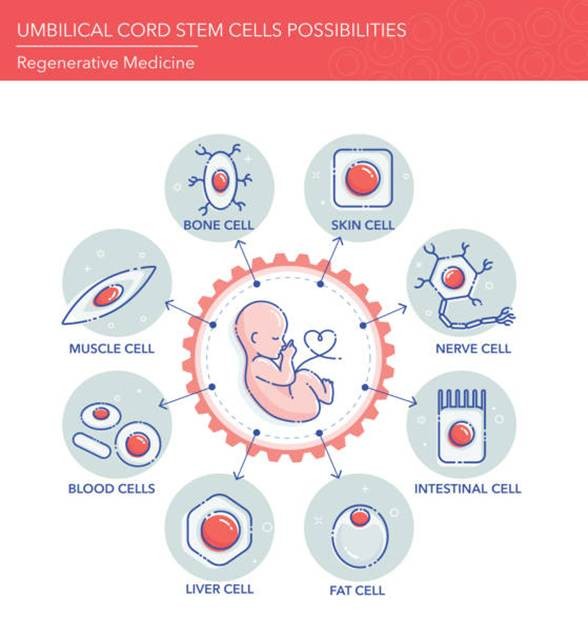
Umbilical Cord-Derived Stem Cells:
Sourced ethically from donated cord tissue after healthy births, these cells are young, potent, and excellent at modulating the immune system. Many international patients choose this route. Read our Umbilical Cord Tissue Stem Cell page.
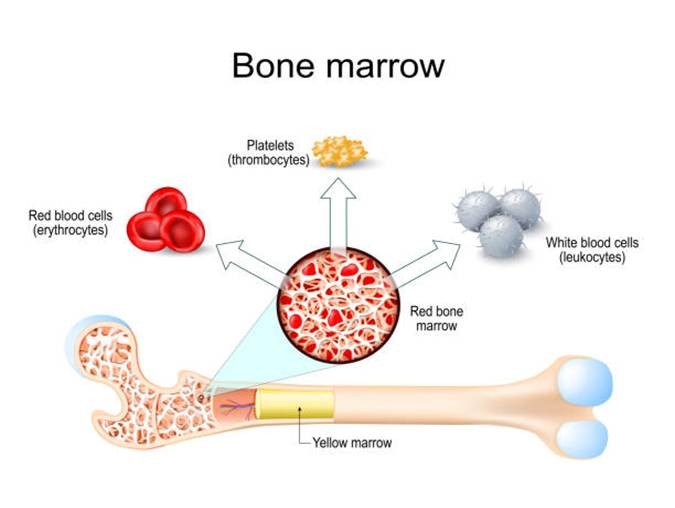
Bone Marrow-Derived Stem Cells:
Drawn from the patient's own hip bone, so zero risk of rejection. Often used in combination protocols. See our Bone Marrow Stem Cell options.
The right mix depends on age, stage of Alzheimer’s, overall health, and how aggressively treatment is being planned.
Worried about bringing a loved one across borders for treatment? Let’s explore how MedTravellers handles the journey.
Support for International Patients Traveling to India for Alzheimer's Treatment
We understand that bringing someone with Alzheimer’s on a long-haul flight sounds daunting. We’ve helped thousands of families, and most tell us it was far smoother than they imagined. Our support covers the full journey, not just the procedure.
Here’s what to expect:
Initial Consultation:
Share medical reports online and hop on a video call. We review MRI scans, cognitive assessments, and history before suggesting anything.
Personalized Treatment Plan:
A written plan covering cell type, session count, duration of stay, and full cost estimate. No hidden surprises.
Medical Visa Assistance:
We issue the official invitation letter and guide you through the embassy process.
Travel Planning Help:
Suggestions on airlines with better medical support, flight timings, and attendant requirements.
Airport Pickup:
A familiar face meets you at arrivals. For patients who get disoriented easily, this small thing matters more than any brochure lets on.
Accommodation Support:
Comfortable stays close to the treatment centre, pre-arranged for patient and family. Hotels or service apartments, whatever suits your budget.
Treatment & Hospital Care:
GMP-certified facilities, continuous medical supervision, daily coordinator check-ins.
Post-Treatment Follow-Up:
Remote consultations at one, three, and six months. Reports shared with your local neurologist if you'd like.
24/7 WhatsApp Support:
After you fly home, we don't disappear. Reachable anytime for a quick answer or a video call.
Lifestyle & Recovery Guidance:
Diet plans, cognitive exercises, and lifestyle tips to extend results at home.
What kind of outcomes can families realistically hope for? Let’s discover what the real numbers look like.
Success Rate & Expected Outcomes
Let’s be upfront. Stem cell therapy isn’t a cure for Alzheimer’s. Anyone promising that is either uninformed or selling something.
What we consistently see are improvements in specific areas. Many patients show better short-term memory in the weeks after treatment. Families report loved ones are calmer, more engaged, sleeping better, and willing to join daily routines. Confusion episodes become less frequent. In some cases, caregivers notice the patient starting conversations again, something they hadn’t done in months.
Our internal tracking puts meaningful improvement at roughly 70 to 80 percent of patients treated, with stronger results in earlier-stage cases. Later-stage patients may see modest gains, though stabilization itself is often a win for families watching a steady decline.
Results vary. That’s not a disclaimer, it’s how the brain works.

Cost of Stem Cell Therapy for Alzheimer's Disease in India
One of the key reasons international patients choose India for Alzheimer’s disease treatment is the affordability of care. The stem cell therapy cost for Alzheimer’s disease in India is significantly lower than in countries such as the USA and UK, while still providing access to experienced specialists, advanced treatment facilities, and comprehensive patient support.
Depending on the treatment protocol, number of stem cell sessions, and rehabilitation requirements, patients can often save 60% to 80% on their overall stem cell treatment cost by choosing India. This cost advantage, combined with world-class healthcare infrastructure and personalized care, has made India a preferred destination for patients seeking innovative regenerative therapies for Alzheimer’s disease.
Stem Cell Therapy Cost Comparison: India vs USA vs UK
| Treatment Plan | India (INR) | USA (Approx. INR) | UK (Approx. INR) |
|---|---|---|---|
| Single Stem Cell Therapy Session | ₹2,50,000 – ₹6,00,000 | ₹18,00,000 – ₹45,00,000 | ₹15,00,000 – ₹38,00,000 |
| Multi-Session Treatment Protocol | ₹6,00,000 – ₹12,00,000 | ₹40,00,000 – ₹85,00,000 | ₹35,00,000 – ₹75,00,000 |
| Comprehensive Treatment with Rehabilitation | ₹8,00,000 – ₹18,00,000 | ₹70,00,000 – ₹1,50,00,000 | ₹60,00,000 – ₹1,20,00,000 |
Note: Costs are approximate and may vary depending on disease severity, treatment protocol, type of stem cells used, number of sessions, rehabilitation requirements, hospital facilities, and duration of stay.
Why Choose MedTravellers for Alzheimer's Treatment in India
There are other clinics. We know. So the question families rightly ask is, why us?
A few honest reasons:
Transparent pricing and honest case assessments, including telling people when therapy won't help
GMP-certified cell processing and strict safety protocols
Dedicated international patient support team with a personal coordinator for every case
For a clearer picture of the science behind regenerative medicine in dementia care, the Alzheimer’s Association publishes ongoing research updates worth reading.
If you’re exploring Alzheimer’s treatment for someone you love, reach out. A free consultation costs nothing and gives you clarity on whether this path makes sense. Sometimes it does. Sometimes it doesn’t. Either way, you’ll walk away with better information than you had before.
Frequently Asked Questions
1. Can stem cell therapy cure Alzheimer's disease?
No, there is no known cure for Alzheimer’s yet. Stem cell therapy aims to slow decline, support surviving neurons, and improve quality of life, not reverse the disease entirely
2. How soon can improvements be seen after treatment?
Some families notice changes within four to six weeks. For others, meaningful improvements may show up over three to six months as the cells continue their work.
3. What is the age limit for stem cell therapy for Alzheimer's?
There isn’t a strict age cap. Eligibility depends more on overall health, disease stage, and the patient’s tolerance for the procedure.
4. How many stem cell therapy sessions are usually needed?
Most Alzheimer’s protocols involve two to four sessions spread over a few days. Booster sessions may be recommended after 6 to 12 months, depending on the response.
5. Which type of stem cells are most effective for Alzheimer's?
Umbilical cord-derived mesenchymal stem cells are most commonly used due to their potency and strong anti-inflammatory action. The final choice depends on the patient’s condition.
Disclaimer: The information shared in this content is for educational purposes and not for promotional use.