

- Medtravellers
- 0 Comments
Is Stem Cell Therapy Safe? Side Effects & Success Rate

Stem cell therapy is rapidly emerging as a key advancement in regenerative medicine, offering potential benefits for patients dealing with chronic pain, neurological conditions, and degenerative diseases. As its adoption continues to grow, one of the most common questions patients have is: Is stem cell therapy safe, and what outcomes can be expected?
Stem cell therapy has demonstrated promising clinical potential; however, its safety profile and effectiveness can vary depending on several factors, including the patient’s condition, treatment protocols, and the expertise of the medical team. Understanding these aspects is essential for making an informed and confident healthcare decision.
Common Side Effects of Stem Cell Therapy
Clinical research shows that stem cell therapy is generally safe when performed under proper medical supervision.
A large meta-analysis of 62 clinical trials involving 3,500+ patients found no significant increase in serious side effects like death or major infections compared to standard treatments
Mild and Temporary Side Effects (Most Common)
These are the most frequently reported and usually resolve within a few days:
- Injection site pain or swelling
- Mild fever (reported slightly higher in patients receiving stem cells)
- Fatigue or temporary discomfort
Studies show that transient fever and minor reactions are the most common side effects, not serious complications
Moderate Risks (Less Common)
- Infection risk (very low in controlled settings)
- Minor immune response
- Temporary inflammation
In clinical observations, overall adverse event rates remain low and manageable under medical supervision.
Rare but Serious Risks
Although uncommon, risks may include:
- Abnormal cell growth
- Complications from unregulated clinics
Some reports suggest adverse events in certain high-risk conditions can reach around 15–20%, but these are mostly minor complications and depend heavily on the disease and treatment quality
Not sure if stem cell therapy is right for you?
Connect with our medical experts today and get a personalized treatment plan tailored to your condition.
What is the Success Rate of Stem Cell Therapy?

The success rate of stem cell therapy is not fixed—it varies depending on the condition being treated.
General Success Rate (Based on Studies)
- For stroke patients, around 40% achieved significant functional improvementin clinical studies
- Many studies report noticeable symptom improvement in 60–80% of patients, especially in orthopedic and pain-related conditions (clinical trend across trials)
- In some conditions, stem cell therapy has shown reduced mortality risk by ~25–30%compared to standard treatment
What Do These Numbers Mean?
- It does not mean a complete cure
- It means improvement in:
- Pain levels
- Mobility
- Daily functioning
- Quality of life
Factors That Affect Success Rate
- Type of disease (orthopedic vs neurological)
- Stage of the condition
- Patient’s age and health
- Quality of stem cells used
Important: Results are gradual. Most patients start seeing changes within 4–12 weeks, with continued improvement over months.
Benefits vs Risks – What Should Patients Consider?
Benefits of Stem Cell Therapy
- Minimally invasive (no major surgery required)
- Uses the body’s natural healing ability
- Faster recovery time
- Can reduce long-term medication dependency
Risks to Consider
- Results are not guaranteed
- Outcomes vary from patient to patient
- Risk increases with unregulated clinics
According to clinical reviews, stem cell therapy shows a favorable safety profile with low serious complication rates, especially when done in controlled medical environments
In addition, factors such as stem cell therapy cost and accessibility may also influence a patient’s decision. Costs can vary depending on the condition, number of sessions, and treatment facility, making it important to evaluate both medical and financial aspects before proceeding.
Take the next step toward recovery
Get a detailed consultation and understand how stem cell therapy can benefit you.
Who is an Ideal Candidate for Stem Cell Therapy?
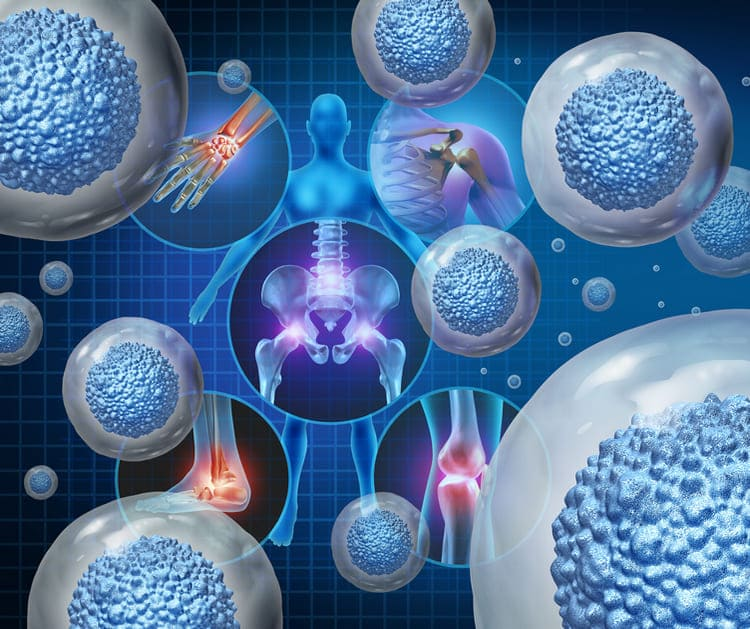
Stem cell therapy is most suitable for patients who:
- Have chronic or degenerative conditions
- Suffer from joint pain, arthritis, or injuries
- Have neurological conditions (like stroke recovery cases)
- Have not responded well to conventional treatments
In recent years, there has also been growing interest in stem cell therapy for diabetes, where research is exploring its potential to improve insulin function and support metabolic health. While results are still evolving, some patients have shown improvements in blood sugar control under clinical settings.
Patients in earlier stages of disease often show better success rates, as their body responds more effectively to regenerative treatment.
Frequently Asked Questions
1. Is stem cell therapy 100% safe?
No treatment is completely risk-free. However, studies show very low rates of serious complications, making it relatively safe when done properly.
2. What percentage of stem cell therapy is successful?
Success rates vary, but studies show:
- Around 40% significant improvement in neurological cases
- Up to 60–80% improvement in pain and orthopedic conditions
3. Are side effects common?
Most side effects are mild and temporary. Serious complications are rare in regulated clinical settings.
4. How long do results last?
Results can last months to years, depending on the condition and patient lifestyle.
5. Is stem cell therapy worth it?
For many patients with chronic conditions, it offers a promising alternative when traditional treatments fail.