



Stem Cell Treatment for Bronchitis/Asthma in New Delhi, India
Introduction
Bronchitis and asthma are two of the most common respiratory conditions that dramatically affect the quality of life of millions of people worldwide each year. Bronchitis, simply stated, is an inflammation of the bronchial tubes, and it can cause symptoms like coughing, wheezing, shortness of breath, and mucus production. Chronic bronchitis, which is frequently seen in patients with chronic obstructive pulmonary disease (COPD), is a long-term disease that can become worse over time with the severity of progression. Asthma is a chronic inflammatory illness of the airways leading to episodes of wheezing, breathlessness, chest tightness, and coughing. Both conditions typically involve an overreaction of the airways to a variety of stimuli, including allergens, pollutants, and respiratory infections, leading to inflammation, airway narrowing, and difficulty in breathing.
Modern therapies such as inhalers, bronchodilators, and corticosteroids may help alleviate symptoms, but they do not address the underlying chronic inflammation and airway remodeling that are an integral part of the disease process of bronchitis and asthma. With this in mind, stem cell therapy has begun to be investigated as a treatment option for patients who may be able to regenerate damaged tissue while reducing airway inflammation and restoring normal lung functioning. While stem cell therapy is still considered experimental regarding many conditions including respiratory disease, it does appear that there has been considerable interest in the use of stem cell therapy for chronic respiratory disease including bronchitis and asthma in recent years.
Many medical institutions and research centers are studying the feasibility of stem cell therapies for bronchitis and asthma. As a center of advanced medical research and treatment, New Delhi is quickly rising as a center of stem cell therapy’s potential for patients who do not respond well to conventional therapies. The changes stem cell therapy may provide as a rescue for patients suffering from the effects of bronchitis and asthma will be explored throughout this article relative to its mechanisms, potential benefits, challenges, and current state in New Delhi.
Understanding Bronchitis and Asthma
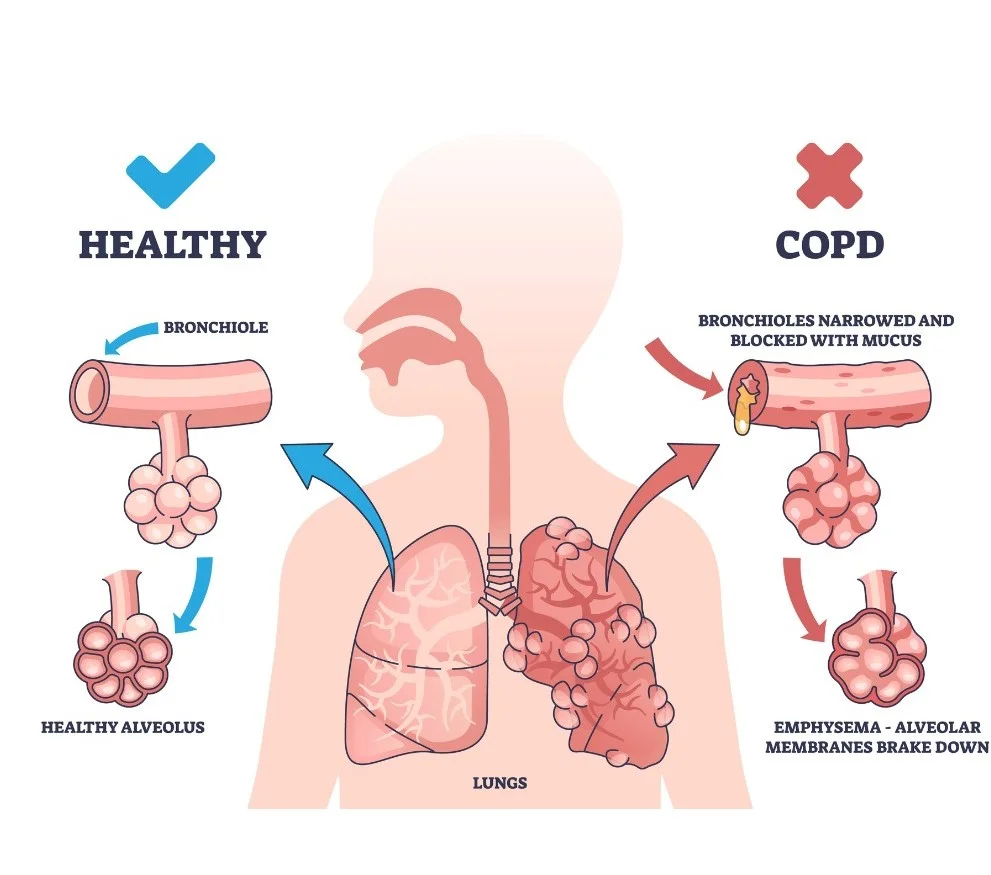
Bronchitis means inflammation of the bronchial tubes, the air passages that carry air between the lungs and the outside environment. Inflammation can be acute, which is frequently due to a non-bacterial or bacterial infection, or chronic, which is typically caused by long-term irritants such as tobacco smoke, air pollution, or dust. Chronic bronchitis constitutes one of the several ailments that are a part of a group of progressive lung diseases known as chronic obstructive pulmonary disease (COPD), which is characterized by long-term breathing problems.
Chronic bronchitis produces inflammation and ultimately results in mucus pouring into the airways, in the process narrowing the airways while inflaming the bronchial walls, which causes a marked increase in difficulty breathing. Symptoms mostly include chronic cough, sputum production, wheezing, and shortness of breath.
Asthma is a chronic inflammatory process resulting in narrowing of the airways. The airway narrowing is often reversible, either spontaneously or by therapeutic intervention; however, recurrent eosinophilic inflammation may not resolve, which can lead to airway remodeling and irreversible damage. Asthma is a chronic obstructive disease often triggered by allergens, air pollution, infection, and exercise. Common symptoms of asthma include wheezing, coughing, tightness in the chest, and shortness of breath.
While bronchitis and asthma have some symptoms in common, they are not the same, as bronchitis is usually a chronic inflammatory response with mucus production, and asthma is hyperreactivity of the airways with reversible obstruction.
Traditional Treatments for Bronchitis and Asthma
Management of asthma and bronchitis typically involves medications that work to reduce swelling and inflammation, open up the airways, and relieve your symptoms. The types of treatments that are used to treat these two conditions include:
- Bronchodilators—The drugs help relax the muscles that surround the airways. They open up the airways to allow you to breathe easier. Bronchodilators are used very often to treat an asthma attack or the symptoms of bronchitis as “quick-relief” medications.
- Corticosteroids—These anti-inflammatory drugs should be used whenever possible to reduce swelling and inflammation of the airways, manage chronic symptoms, and prevent further exacerbations of symptoms.
- Leukotriene Modifiers—These medications reduce airway inflammation by blocking leukotrienes that cause asthma and allergic reactions.
- Immunotherapy—In the case of asthma triggered by allergic responses, immunotherapy in the form of allergy shots or oral tablets helps desensitize the immune response to specific allergens.
Although these treatments mitigate the symptoms of this ailment, they do not remedy the root cause of chronic inflammation, airway remodeling, and lung tissue damage. Stem cell therapy can address all of these symptoms. Specifically, stem cell therapy represents unique potential because we can directly repair lung tissues, regrow tissue, and quell chronic inflammation.
The Role of Stem Cells in Treating Bronchitis and Asthma
Stem cells are undifferentiated cells that are able to differentiate into multiple different specialized cell types. Stem cells are thought to be able to regenerate the damaged tissue, heal, and reduce inflammatory responses, thereby providing hope for the treatment of chronic diseases like bronchitis and asthma. The ways that stem cells can typically help patients with these conditions are
- Regenerate Damaged Lung Tissue: Chronic bronchitis and asthma can cause some alteration to the structure of airways (e.g., thickening of the bronchial wall and destruction of lung tissue). Stem cells can differentiate into specialized cells, such as epithelial cells that can line airways or smooth muscle cells that can cause relative airway constriction. By initiating the generation of epithelial and smooth muscle cells, stem cells can effectively restore the structure and function of normal lungs.
- Reduce Inflammation: In both asthma and bronchitis, inflammation is an important component of disease progression. Stem cells, particularly mesenchymal stem cells (MSCs), have anti-inflammatory effects, can modulate the immune response, and reduce chronic inflammation of the airways. Reducing inflammation with stem cells can help prevent the long-term damage associated with the disease.
- Repair of Airway Remodeling: Individuals with chronic asthma and bronchitis have not only inflammation of the airways but also remodeling of the airways. Remodeling of the airways is defined as a process of structural changes, including thickening of the airway walls, increased mucus production, and smooth muscle hypertrophy. Stem cells have the capacity to undo or slow down airway remodeling by promoting renewal of normal lung tissue and facilitating improvement in airway functioning.
- Stimulation of Growth Factors: Upon activation, stem cells secrete a variety of growth factors in the lungs. These growth factors function to aid in stemming damaged tissues, promote angiogenesis (formation of blood vessels), and generate collagen and extracellular matrix. Growth factors play an essential role in tissue regeneration and phenomena that restore the normal functioning state of the lungs.
- Potential to Improve Immune System Function: Stem cells have the potential to improve the immune system’s response to allergens and pathogens. With stem cells established in the expert literature as immune modulators, it may allow for a reduced frequency in the symptomology and improved immune regulation of asthma attacks triggered by the environment.
Types of Stem Cells Used in Respiratory Treatments
Different kinds of stem cells are being tested for bronchitis and asthma. There are several stem cell types that show the most promise for respiratory diseases, including:
- Mesenchymal Stem Cells (MSCs): MSCs are adult stem cells found in bone marrow, adipose tissues (fat), and umbilical cord blood and are thought to have just the right balance of regenerative and anti-inflammatory properties. Even in its infancy, MSCs look to be one of the most promising sources possible for future respiratory disease treatments. While the literature is limited, MSCs have been shown in preclinical studies and early clinical trials to provide tissue repair, reduce inflammation, and improve lung function.
- Induced Pluripotent Stem Cells (iPSCs): iPSCs are adult cells that have been genetically modified or “reprogrammed” to return to a pluripotent state and can now either differentiate into the type of lung tissue it has been converted to or act like a stem cell. Importantly, iPSCs avoid the ethical implications of using embryonic stem cells or the scarcity of using human embryonic stem cells, as well as develop into patient-specific cells that would minimize the risk of rejection.
- Adipose Derived stem cells: These are stem cells taken from a patient’s fat. Adipose-derived stem cells are rich in mesenchymal stem cells and have great promise for treating many conditions, including respiratory diseases like asthma and chronic obstructive pulmonary disease.
- Umbilical Cord Stem Cells: CS umbilical cord blood and tissue stem cells have a unique regenerative capacity and promote tissue repair, reduce inflammation, and improve lung function in preclinical studies and are considered a promising source of stem cells for respiratory applications.
Stem Cell Therapy for Bronchitis and Asthma in New Delhi, India
New Delhi is emerging as a major center for medical research and advanced therapies in India. There are several leading hospitals and clinics that are providing some of the most advanced treatments for many respiratory ailments. While stem cell therapy for bronchitis and asthma is still in the experimental phase, enthusiasm and excitement for these types of therapies in New Delhi are growing, especially in the field of regenerative medicine.
New Delhi hosts a number of Promise Research hospitals and research centers involved in research on stem cell therapy for respiratory diseases, including, but not limited to,
- Medtravellers: A recognized center in New Delhi, Medtravellers is providing stem cell therapies for a number of diseases, to include chronic respiratory diseases (i.e., asthma and bronchitis). All patients have a unique outline treatment plan based on the current stem cell research outcomes and the research “Practice Guidelines” for the obesity medical condition due to a clinical diagnosis by the doctor.
- Max Healthcare: Max Healthcare is one of the largest healthcare providers in India. Max Healthcare has stem cell therapy available and is doing clinical trials for asthma and other chronic diseases. Max Healthcare is engaged in ongoing research, specifically focused on the use of stem cells in lung diseases.
- Fortis Healthcare: A large provider in the Indian healthcare sector is Fortis Healthcare. Fortis Healthcare provides stem cell therapy for several respiratory diseases. Fortis Healthcare is also engaged in research and clinical trials on stem cell regeneration for lung diseases along with stem cell-based therapies for chronic obstructive diseases.
- Apollo Hospitals: One of the largest health care chains in India currently offering the latest treatment options, to include stem cell therapy for chronic asthma and bronchitis.
FAQs
1. What is stem cell therapy for bronchitis and asthma?
Stem cell therapy is an experimental therapy that uses undifferentiated cells that can become specialized cells in the lung. For bronchitis and asthma symptoms, stem cells may eventually regenerate damaged lung tissue, reduce chronic airway inflammation, and have the potential to improve any structural changes and remodeling in the airways. Stem cell therapy aims to resolve the underlying issues in airway disease instead of just addressing the symptoms, like traditional therapies.
2. What do stem cells do to help treat respiratory diseases?
Stem cells act in several ways:
- Stem cells may differentiate into specialized lung tissue such as epithelial and smooth muscle cells to repair and regenerate damaged airways.
- Stem cells help resolve chronic inflammation in the airways and lungs and limit the risk of reinfection by reducing chronic inflammation.
- Stem cells have the potential to reverse airway remodeling such as wall thickening.
- Stem cells secrete growth factors that aid in the regeneration of lung tissue and help improve function.
3. What are the types of stem cells that have been in use for the treatment of alveolar repair for respiratory conditions?
The types of stem cells are Mesenchymal Stem Cells (MSCs) from either bone marrow or fat or umbilical cord blood—all are very promising and have been shown to be regenerative and anti-inflammatory. Other stem cells that have use in this treatment include Induced Pluripotent Stem Cells (iPSCs) that are adult cells that are reprogrammed, adipose-derived stem cells harvested from the patient’s fat tissue (liposuction), and umbilical cord stem cells, which are unique in that they have a unique capacity for regeneration.
4. Are stem cell treatments for this condition available in New Delhi?
Yes, stem cell treatment for bronchitis and asthma can be found at several leading new hospitals in New Delhi. Hospitals that may have stem cell therapies include Medtravellers, Max Healthcare, Fortis Healthcare, and Apollo Hospital, to name a few. Keep in mind, stem cell therapy for respiratory diseases is still considered experimental, and those listed above are conducting research and clinical trials on their safety and efficacy.